A data breach can destroy a small business in moments. In 2024, the cost of a single breach rose significantly. If you accept credit cards, you are a target. Hackers want your customer data. The Payment Card Industry Data Security Standard (PCI DSS) exists to stop them. The PCI compliance scan is your first line of defense.
Many owners find compliance rules confusing. However, a good scan protects your money and your reputation. This guide explains the process simply. We will cover PCI DSS requirements 11. We will also show you how to pass your scan without overspending. Payment security and PCI DSS support is also covered on our local pages for Miami.
Get a quick vulnerability check before your official ASV scan.
What is a PCI Compliance Scan?
A PCI compliance scan is an automated test. It identifies security vulnerabilities in your payment processing systems. The PCI Security Standards Council (PCI SSC) mandates this assessment. It specifically looks for weaknesses that hackers could exploit. These flaws allow them to steal sensitive credit card information.
You cannot perform this scan yourself for official compliance. You must hire an Approved Scanning Vendor (ASV). This is a certified company. They validate your Cardholder Data Environment (CDE).
The scan tests your external-facing systems. It checks your public IP addresses and websites. It probes your network infrastructure for common threats. These include outdated software and missing patches. It also identifies open ports. These gaps can expose you to SQL injection or Cross-site scripting (XSS).
Key Features of a PCI Scan:
Automated High-Level Vulnerability Testing
This automated tool runs quarterly to test your systems from the outside, ensuring that new security threats are caught quickly and effectively.
Checks Network Infrastructure and Web Applications
It scans your digital perimeter and specifically looks for known risks within your network infrastructure and your customer-facing web applications.
Identifies Misconfigurations, Outdated Software, and Dangerous Services
The scan highlights critical security gaps, such as system misconfigurations, software that needs updates, and dangerous services left open to the internet.
Produces Official Attestation Reports for Compliance Documentation
Passing the scan generates an official attestation report, which is the required document you must submit to your bank to prove compliance.
Distinct from Penetration Testing (Clarify Distinction)
A scan is automated and passive, whereas penetration testing involves a human ethical hacker who actively tries to break into your defenses.
Who Needs PCI Compliance Scans?
Do you store, process, or transmit cardholder data? Then you likely need a scan. This applies if your systems connect to the internet.
Merchant Levels and Requirements
Visa and Mastercard group merchants for PCI DSS Compliance into four levels. This grouping depends on your annual transaction volume.
- Level 1 Merchants
These are major retailers processing over 6 million transactions annually. They face the strictest rules and require an onsite audit by a Qualified Security Assessor (QSA). - Level 2 Merchants
These businesses process between 1 million and 6 million transactions per year. They must perform quarterly scans and often complete a self-assessment to prove their security. - Level 3 Merchants
This category includes e-commerce merchants processing 20,000 to 1 million transactions annually. They primarily rely on quarterly scans and self-assessments to maintain their compliance status. - Level 4 Merchants
Most small businesses fall here. They process fewer than 20,000 e-commerce transactions or up to 1 million total transactions annually. Quarterly scans are their main requirement.
All levels require quarterly ASV scans.
| Merchant Level | Annual Transactions | Scan Requirement | Validation Type |
|---|---|---|---|
| Level 1 | > 6 Million | Quarterly ASV Scan | QSA Audit (RoC) |
| Level 2 | 1 Million – 6 Million | Quarterly ASV Scan | Self-Test (SAQ) / RoC |
| Level 3 | 20,000 – 1 Million | Quarterly ASV Scan | Self-Test (SAQ) |
| Level 4 | < 1 Million | Quarterly ASV Scan | Self-Test (SAQ) |
Third-Party Requirements
Service providers must also prove their security. Do you use a third-party payment gateway? You must verify their status. These providers handle data for many merchants. Therefore, they are high-value targets for hackers. You should request their Attestation of Compliance (AoC). This document proves they undergo strict scanning. It ensures they maintain a secure environment for your data.
Get expert guidance based on your transaction volume and setup.
PCI DSS Scanning Requirements Explained
The rules have recently changed. The new standard is PCI DSS v4.0. You must understand these updates to pass.
PCI DSS Requirement 11.3.2
This requirement is very specific. You must perform an external vulnerability scan at least once every three months. This ensures you check your security posture four times a year. Furthermore, the scan must be conducted by an Approved Scanning Vendor (ASV).
However, the quarterly schedule is just the minimum. You must also scan after any “significant change.” This includes installing new system components or changing your firewall configuration. If you change your network topology, you must scan immediately. You cannot wait for the next quarter.
Types of PCI Compliance Scans
External Vulnerability Scans
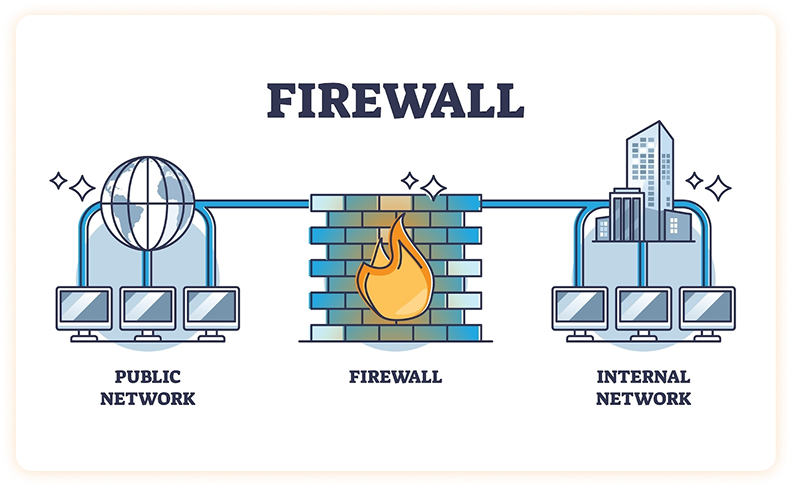
These scans target the perimeter of your network. The ASV tests your firewalls, web servers, and email servers from the internet. They simulate the perspective of an outside attacker. The goal is to find open doors in your network segmentation. They look for insecure configurations that could allow unauthorized access. You must use a certified ASV for this specific test to meet compliance rules.
Internal Vulnerability Scans
Internal scans look for risks inside your network firewall. What if a hacker breaches your perimeter? What if an employee acts maliciously? Internal scans ensure they cannot easily move laterally to find payment data. You can perform these scans using qualified internal staff. However, many businesses choose to outsource them to ensure neutrality. This scan provides a deeper look into your local network security.
Application Scans
Modern e-commerce relies heavily on web applications. Consequently, scanners test these applications for specific flaws. They look for weaknesses like SQL injection, where an attacker could query your database. They also check for Cross-site scripting (XSS). Furthermore, they ensure you use proper SSL/TLS encryption for data transmission. These scans are vital because web apps are often the easiest entry point for cybercriminals.
We match you with certified ASV vendors and scanning solutions.
How PCI Compliance Scanning Works
01.
The Scanning Process (Step-by-Step)
- Define Scope:
You must list every IP address. Include every domain in your Cardholder Data Environment. Do not miss any. This ensures you cover everything. - Select Vendor:
Pick a trusted partner. Use the official PCI Security Standards Council list. This step ensures your compliance scan is valid. - Configure:
Change your firewall settings. You must whitelist the vendor’s IP addresses. This lets the scanner access your network to test it. - Scan:
The vendor starts the automated tool. It probes your systems for weak spots. This process typically takes a few hours to complete. - Report:
Read the findings from the vendor. They provide a detailed list. It shows if you passed or failed. It also lists necessary fixes.
02.
What Scanners Test For
- Unpatched Software:
It finds old operating systems. It also finds apps running outdated versions. These lack critical patches. They expose you to known cyber threats. - Default Passwords:
It looks for factory settings. Hardware like routers often use default passwords. Attackers guess these easily. You must change them immediately. - Insecure Protocols:
It flags old encryption. Methods like SSL v3.0 are obsolete. They cannot protect your sensitive data. You must stop using them. - Information Leakage:
It finds bad server setups. These setups reveal too much internal data. They show this data to the public. Hackers use this to plan attacks.
03.
Cost Breakdown Of PCI Scans
- Standard Scanning Costs:
Paid services cost money. They usually range from $150 to $300 per IP address. This is a yearly cost. Some vendors offer free trials. - Enterprise Costs:
Large businesses pay more. They need complex penetration testing. They also need automated scanning. Fees often exceed $10,000. This meets stricter security standards.
How to Pass Your PCI Compliance Scan
Failing a scan is common. Do not panic. It is simply a warning to fix your security.
Pre-Scan Preparation Checklist
- Update Software:
Install all recent security patches. - Close Ports:
Disable unused services like FTP or Telnet. - Check Encryption:
Ensure you use TLS 1.2 or higher. - Review Access:
Limit access control to necessary users only.
Common Scan Failures and Remediation
Your report will list specific vulnerabilities. You must fix anything ranked "Medium" or higher (CVSS 4.0+). This process is called remediation. After fixing the issues, you must request a rescan. You only pass when the new report is clean.
Timeline and Scheduling Strategy
Do not wait until the deadline. Schedule your scan 30 days early. This gives your IT team time to fix problems. It ensures you have a passing report before your compliance due date.
Conclusion: Master Your PCI Compliance Scan for Guaranteed Success
A PCI compliance scan is not just a technical requirement—it is a critical safeguard for your business, your customers, and your reputation. By understanding the scanning process, following PCI DSS v4.0 requirements, and preparing proactively, you can turn compliance from a burden into a strategic advantage. Regular scans, timely remediation, and proper security practices help you stay ahead of evolving threats while ensuring uninterrupted payment operations. Instead of fearing audits, use them as an opportunity to strengthen your defenses, build customer trust, and maintain long-term business stability.
Connect with certified experts who handle scanning, fixes, and compliance.
Frequently Asked Questions
Do all businesses need PCI scans?
Not all. However, most do. If you have public-facing IP addresses and handle card data, you likely need an external scan.
Can I perform scans internally?
You can do internal checks yourself. But you cannot do the official external scan. An Approved Scanning Vendor (ASV) must do that.
How long does a scan take?
The automated test is fast. It finishes in a few hours. However, fixing the found issues can take days.
What if my scan fails?
You do not get a fine immediately. It is a chance to fix holes. Remediation is key. Fix the issues and rescan.
How much does PCI compliance scanning cost?
Small businesses usually pay $150 to $500 per year. This covers quarterly scans. The price increases with more IP addresses.